
Ecommerce Website Development: The 2025 Buyer’s Guide for High-Converting Stores
TL;DR
If you’re planning ecommerce website development in 2025, pick a platform that matches your scale (Shopify, WooCommerce, or headless), streamline checkout, integrate fulfillment, and invest in performance, analytics, and CI/CD. Expect 8–14 weeks for a production launch with iterative releases. This guide outlines a practical plan, costs, and a risk-managed approach.
Quick Answer
For fast, reliable ecommerce website development, start with a platform fit, checkout optimization, and integration priorities. In ON at Unit 20 – 120 Woodstream Blvd, Codepaper Technologies builds and scales online stores with secure payments, high-performance hosting, and automated releases.
Local Tips
- Tip 1: If you’re visiting our Woodstream Blvd office near major corridors like Highway 7 and Highway 27, plan meetings outside rush windows to reduce travel time for your team and delivery partners.
- Tip 2: Peak holiday demand and winter weather can impact last‑mile carriers across the Greater Toronto Area. Build in buffer time for inventory intake and offer buy-online-pickup-in-store where possible.
- Tip 3: Cross-border shipping to the United States? Configure duties and taxes early, validate carrier SLAs, and test label printing in staging before cutting over.
Ecommerce website development isn’t just a build—it’s a system of product data, payments, logistics, and growth loops working together. Whether you’re a construction supplies distributor, a franchise network, or a direct-to-consumer brand, this guide details the decisions that matter in 2025: platform selection, checkout UX, performance, analytics, and integrations. As a custom software development company in Canada, Codepaper helps teams in Toronto, Vancouver, and across North America plan and ship with confidence.
We’ll cover when to use out‑of‑the‑box platforms vs. going custom, how to de‑risk launches, and how to design a roadmap that supports revenue today and scale tomorrow. If you need a partner to execute, our ecommerce development services include discovery, build, migration, and ongoing optimization.
What Is Ecommerce Website Development?
Ecommerce website development is the practice of planning, designing, building, and operating an online store that can present products, accept payments, fulfill orders, and grow revenue efficiently. It spans frontend UX, backend services, data models, infrastructure, security, and the workflows your staff uses every day.
Frontend and UX
Your storefront has to be fast, accessible, and conversion‑focused. Key patterns include clear product imagery, honest descriptions, price transparency, and social proof. Use sticky add‑to‑cart buttons, visible shipping estimators, and consistent CTAs. Responsive design with semantic HTML and ARIA improves accessibility and SEO.
Backend, Catalog, and Orders
Behind the scenes, robust catalog management (variants, bundles, kits), pricing rules, inventory reservations, and order state machines keep operations predictable. A clean data model avoids edge‑case chaos when you add promotions, subscriptions, or B2B features like purchase orders and net terms.
Hosting, Security, and DevOps
Modern ecommerce stacks rely on containerized deployments, auto‑scaling, WAFs, and managed databases. Encrypt all traffic (TLS), rotate keys, and enforce least‑privilege access. A mature CI/CD pipeline reduces risk and accelerates iteration.
Choosing the Right Platform in 2025
Match the platform to your growth stage, catalog complexity, internal skills, and integration needs. Here’s a quick comparison.
| Option | Best For | Pros | Trade‑offs |
|---|---|---|---|
| Shopify (+ Shopify Plus) | Speed to market, SMB to enterprise with managed hosting | App ecosystem, checkout reliability, PCI handled, built‑in CDN | Fees, opinionated checkout, customizations may need apps |
| WooCommerce (WordPress) | Content‑heavy stores, editorial control, budget flexibility | Huge plugin library, familiar CMS, SEO control | Maintenance burden, performance tuning needed at scale |
| Headless (Next.js/React + Shopify/Woo/Commerce APIs) | Design freedom, omnichannel, advanced caching | Best‑in‑class UX, performance control, flexible integrations | Higher build complexity, dev team required |
| Custom (Laravel + Vue/React) | Unique B2B logic, complex pricing, custom OMS | Full control, no app bloat, tailored workflows | Longer build, ongoing engineering ownership |
When to Go Custom
Choose a custom build (for example, Laravel + a modern frontend) when you have unique order flows, advanced pricing rules, or ERP/warehouse logic that off‑the‑shelf platforms fight. Our custom software development company in Canada helps product and operations leaders decide what to build vs. buy and how to phase rollouts.
If you’re leaning headless, we pair composable commerce with a performance‑first frontend and a stable CI/CD pipeline, which we’ve outlined in our post on how to ship faster without compromise.
Checkout Optimization That Converts
Checkout is where revenue happens. Small improvements compound. The following are dependable, research‑backed tactics for ecommerce website development in 2025.
Reduce Friction
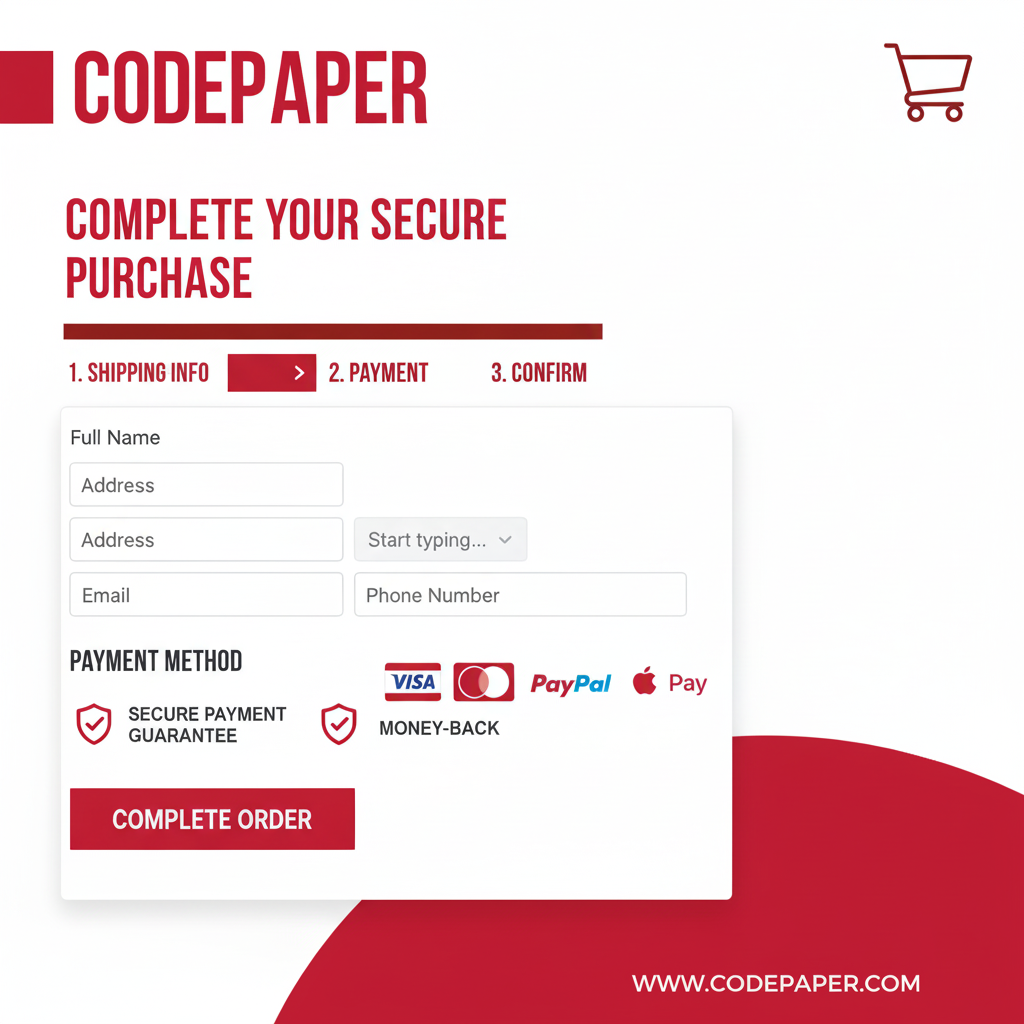
- Offer guest checkout and passively create accounts post‑purchase.
- Use address autocomplete and validate postal/ZIP codes in real time.
- Show shipping options and taxes early; avoid surprises at step 3.
- Limit fields, use inline validations, and show a short progress indicator.
Payment Trust and Choices
- Provide major cards, PayPal, Apple Pay/Google Pay, and local methods where relevant.
- Display SSL and payment trust badges near the pay button (tastefully).
- Support saved cards and wallets for faster repeat purchases.
Speed, Reliability, and Security
- Minimize third‑party scripts and defer non‑critical tags.
- Monitor conversion, error rates, and latency; alert on deviations.
- Keep platforms and plugins updated, and segment payment data per PCI requirements.
For a broader perspective on UX patterns, compare your roadmap to these practical ecommerce UX strategies from a well‑known industry publisher. Use them as inspiration, then test with your customers.
Performance, SEO, and Accessibility
Core Web Vitals and Speed
Measure Largest Contentful Paint (LCP), Interaction to Next Paint (INP), and Cumulative Layout Shift (CLS). Use a global CDN, image optimization, HTTP/3, and server‑side rendering or static generation where applicable. Preload hero images and critical fonts. Cache evergreen API responses aggressively.
Technical SEO
- Use clean URLs, canonical tags, and XML sitemaps.
- Implement structured data for products, reviews, and breadcrumbs.
- Avoid duplicate content from filters; use parameter handling and robots rules.
Accessibility
Follow WCAG 2.2 AA guidelines: color contrast, focus states, keyboard navigation, and descriptive alt text on images. Accessible design improves conversions and reduces legal risk.
Data and Analytics You Actually Need
Event Tracking and Attribution
Map events from view_item to purchase with clean parameters. Track merchandising levers (sorting, filters, quick‑add) and checkout behaviors (field errors, payment retries). Use consent‑aware tagging to remain compliant and maintain data quality.
Experimentation
Ship A/B tests on key screens—home, category, product, and checkout. Test one hypothesis at a time, aiming for clear business impact (e.g., “increase mobile add‑to‑cart rate by 10%”).
Operational Dashboards
Give operations and finance a live view of orders by channel, pick/pack SLAs, return reasons, and attribution. A concise weekly report helps executives decide where to invest.
Integrations: ERP, WMS, CRM, and 3PL
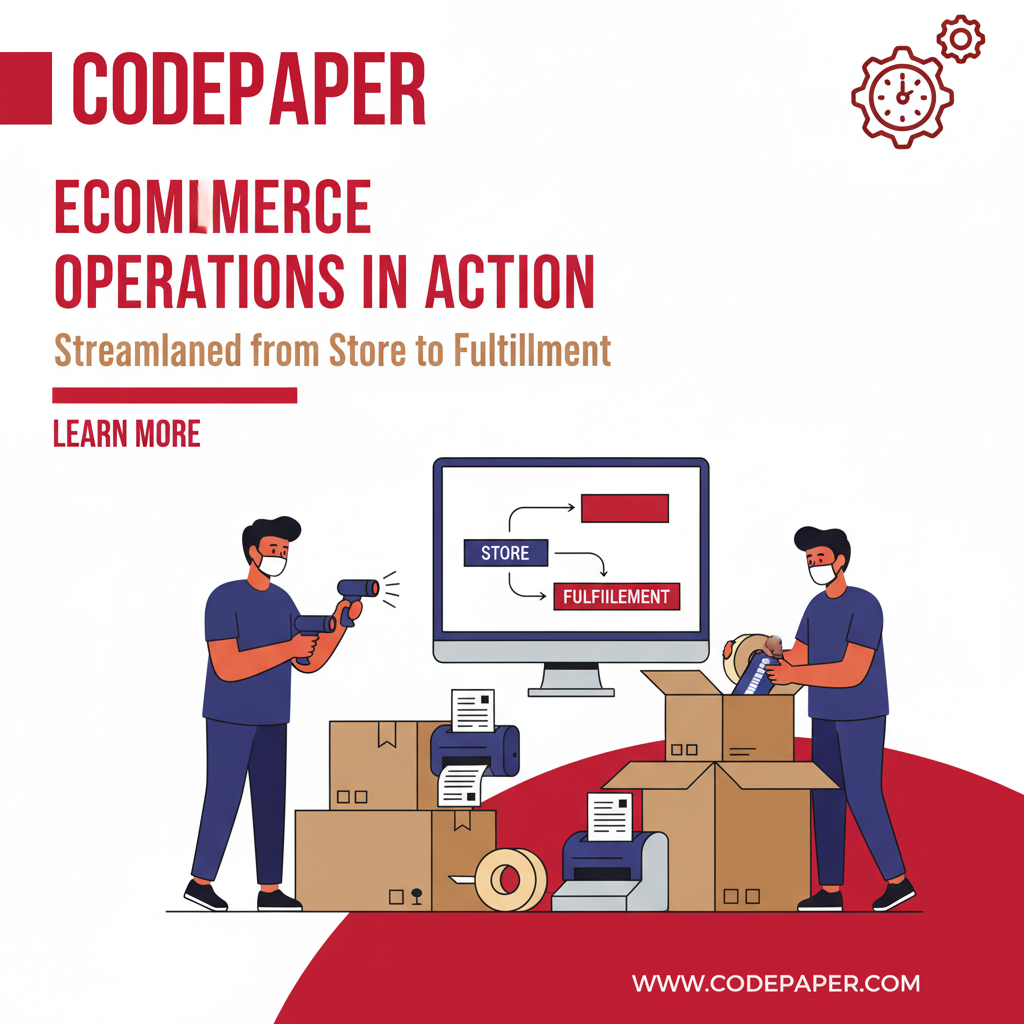
Growth requires reliable data flow between your store and back‑office systems. Plan integration contracts up front and test with real scenarios: backorders, splits, partial shipments, and returns.
Inventory and Order Management
Sync on‑hand and available‑to‑sell inventory, reserve stock on add‑to‑cart for high‑demand drops, and reconcile after picks. Support split shipments for multi‑warehouse setups and keep customers informed with proactive notifications.
Shipping, Duties, and Taxes
Configure real‑time rates and delivery estimates. If you sell across the U.S. and Canada, test duty calculations and tax handling for each region. Validate label formats and customs data early.
Security and Privacy
Protect PII in transit and at rest. Apply role‑based access controls, rotate credentials, and log admin actions. Document data flows so audits are straightforward.
Costs, Timelines, and Team Structure
Budgets vary by scope, but here’s a realistic baseline for ecommerce website development in 2025. These ranges represent professional builds with thoughtful discovery, QA, and launch support.
| Phase | Key Deliverables | Typical Duration | Typical Investment (USD) |
|---|---|---|---|
| Discovery & Roadmap | Workshops, technical plan, success metrics, backlog | 1–2 weeks | $5,000–$15,000 |
| Design & Content | UX flows, UI system, accessibility, SEO foundations | 2–3 weeks | $8,000–$25,000 |
| Build & Integrations | Storefront, catalog, checkout, ERP/WMS/CRM, payments | 4–8 weeks | $30,000–$120,000 |
| QA, Load Testing & Launch | Test plans, performance, monitoring, rollback plan | 1–2 weeks | $6,000–$18,000 |
| Growth & Optimization | A/B tests, CRO, email/SMS, merchandising tweaks | Ongoing | $3,000–$12,000 / mo |
Mini case scenario: A construction supplies distributor with 8,000 SKUs and regional delivery windows moved from a legacy cart to a headless storefront. By simplifying product data, adding delivery ETA on PDP, and integrating the WMS for real‑time picking, support tickets fell, and conversion improved within 60 days. The roadmap stacked quick wins first, with complex B2B terms following later.
Risks and How to De‑Risk Your Launch
Scope Creep and Deadline Drift
Freeze the MVP feature set, timebox design rounds, and maintain a single source of truth for requirements. Package “nice‑to‑have” ideas into a post‑launch backlog.
Performance Regressions
Automate Lighthouse checks in CI, run load tests, and monitor real‑user metrics. Protect the critical path to purchase—especially on mobile data connections.
SEO and Content Gaps
Plan redirects, preserve high‑value URLs, and migrate metadata. Maintain content velocity with a monthly calendar that compounds organic reach. For broader strategy inspiration, review this pragmatic website launch checklist and tailor it to your stack.
Data Migration Surprises
Audit product and customer data early. Map edge cases (bundles, subscriptions, custom fields) and run multiple dry runs before cutover.
How Codepaper Helps (Beyond the Build)
We’re a custom software development company Canada buyers trust for end‑to‑end delivery—from discovery to managed DevOps. Our team supports Shopify, WooCommerce, headless, and full custom builds with the same goal: predictable launches and compounding growth.
- Structured discovery to align stakeholders and reduce change requests.
- Design systems that scale content and merchandising without breaking UX.
- API‑first integrations with ERP, WMS, CRM, and marketing tools.
- CI/CD pipelines, code reviews, and proactive monitoring.
Learn how we approach velocity and quality in our article on shipping faster without compromise and explore our custom software development services in Canada.
FAQs: Ecommerce Website Development in 2025
How long does ecommerce website development take?
Typical launches range from 8–14 weeks depending on scope, integrations, and content readiness. We front‑load discovery and design to reduce rework and then release features iteratively to get value into production sooner.
What does a realistic budget look like?
For a professional build, plan for $45k–$150k+ USD including discovery, design, integrations, and a supported launch. Costs depend on catalog size, custom features, and whether you go headless or fully custom.
Is Shopify, WooCommerce, or headless better?
It depends on priorities. Shopify excels at reliability and speed to market. WooCommerce fits content‑heavy stores with editorial control. Headless offers design freedom and performance at the cost of more engineering. We help you pick the best fit.
How do we handle ERP and warehouse integrations?
Define contracts early, test real scenarios (backorders, split shipments), and build observability for sync jobs. We recommend staging environments that mirror production data patterns and robust alerting on failures.
What KPIs should we track post‑launch?
Focus on add‑to‑cart rate, checkout completion, average order value, repeat purchase rate, return reasons, and fulfillment SLA adherence. Tie experiments directly to these outcomes for clarity.
Key Takeaways
- Platform fit first: Choose Shopify, WooCommerce, headless, or custom based on scale, skills, and integrations.
- Checkout matters most: Streamline forms, payments, and speed for the biggest impact.
- Integrate for truth: Keep product, inventory, and orders consistent across systems.
- Invest in reliability: CI/CD, monitoring, and load testing prevent costly surprises.
- Iterate to grow: Use analytics and A/B testing to compound results month over month.
Next Step
If you’re ready to plan your roadmap or want a second opinion on platform fit, schedule a consultation with Codepaper. We’ll review your goals, constraints, and integration landscape, then outline a pragmatic delivery plan. For a capabilities overview, visit our ecommerce development services.
