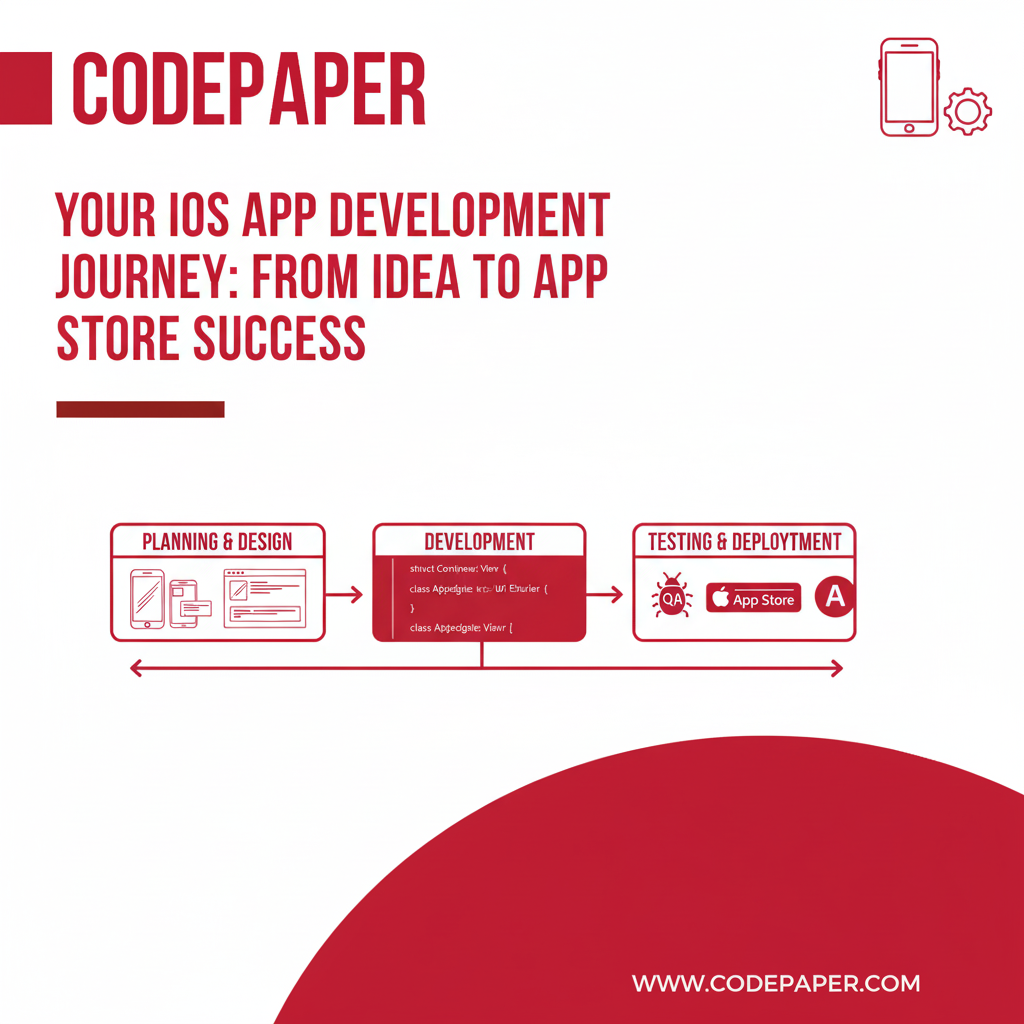
iOS App Development Services: A Practical Guide From Discovery to App Store Launch
If you’re evaluating iOS app development services for a new product or a modernization initiative, this guide breaks down the process—from strategy and UX to Swift/SwiftUI engineering, CI/CD, QA, and App Store release. Codepaper Technologies Inc. is a custom software development company serving Canada and beyond, operating from ON at Unit 20 – 120 Woodstream Blvd. Throughout, we’ll share local collaboration options around Vaughan and Toronto—and clear, step-by-step checklists you can use immediately.
TL;DR
iOS app development services span product discovery, UX/UI design, native Swift/SwiftUI development, mobile DevOps (CI/CD), secure APIs, QA automation, and App Store launch. Expect a phased approach: discovery (1–3 weeks), design (2–4 weeks), build (8–16 weeks), and launch (1–2 weeks), with continuous improvement after release. Local working sessions are available near Vaughan, ON.
Quick Answer
In ON at Unit 20 – 120 Woodstream Blvd, Codepaper delivers iOS app development services end to end—strategy, Swift/SwiftUI engineering, QA, CI/CD, and App Store launch. Local clients near Vaughan and Toronto can schedule onsite workshops and hybrid builds for faster feedback.
Local Tips
- Tip 1: For onsite workshops, plan arrivals via Highway 7 or Highway 27; we’re close to the 427/407 junction near Vaughan, making half‑day sessions easy.
- Tip 2: Winter weather can slow traffic. Morning blocks (9–12) often beat afternoon delays—especially around holiday shopping and storm advisories.
- Tip 3: Bring your product team and a decision‑maker to shorten approvals. We can provide a structured agenda and discovery template in advance.
What iOS App Development Services Include
A complete iOS engagement is more than writing Swift. It’s a coordinated sequence of product, design, engineering, and release activities that reduce risk and accelerate value. Here’s how we structure it at Codepaper Technologies Inc.:
1) Discovery and Product Strategy
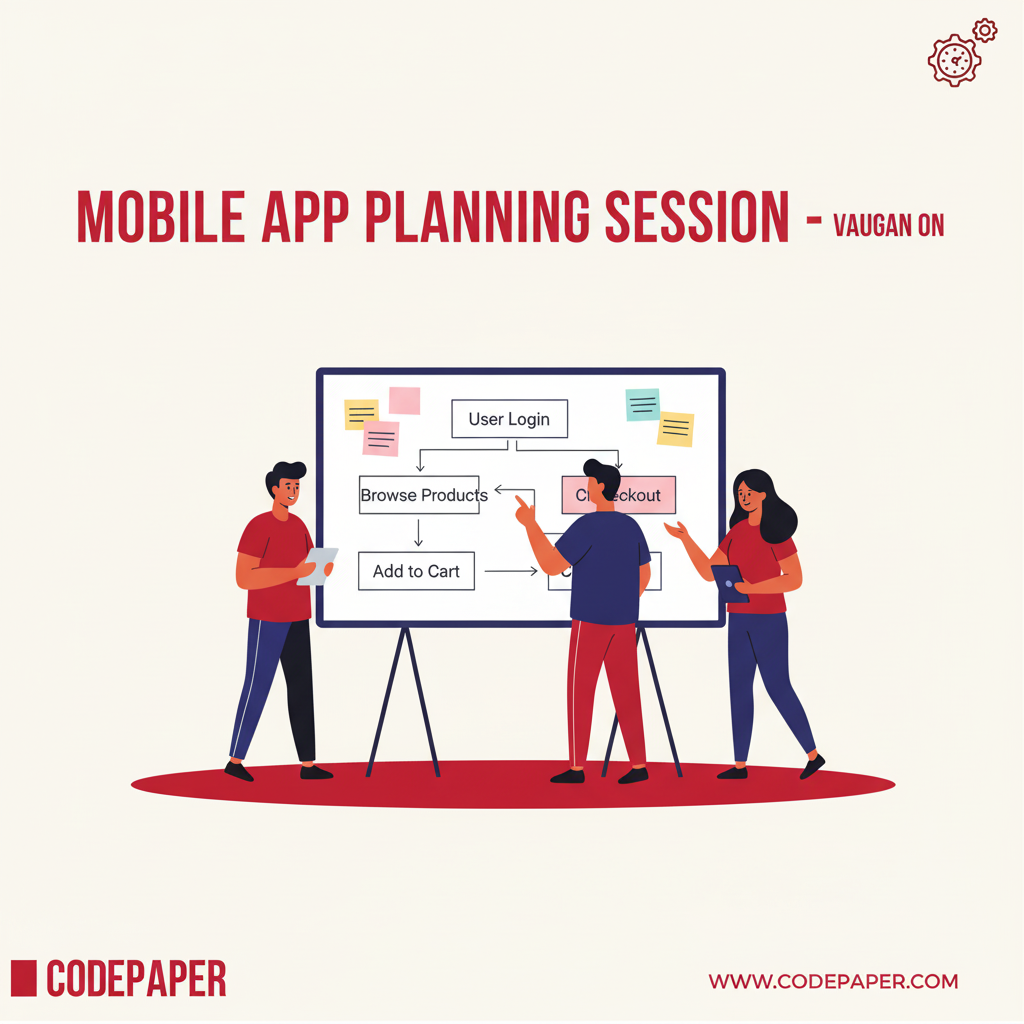
- Business goals, success metrics, and constraints (budget, compliance, timeline).
- Personas, user journeys, and problem framing with measurable outcomes.
- Scope definition: MVP vs. v1.0, feature slicing, and a prioritized roadmap.
- Tech feasibility (e.g., camera, Bluetooth, offline needs, payments, SSO).
Discovery yields a lean specification, clickable prototype, and delivery plan—your single source of truth for the build.
2) UX/UI Design and a SwiftUI Design System
- Wireframes for key flows (onboarding, core tasks, error states).
- SwiftUI component library with tokens (color, spacing, typography) for consistency.
- Accessible patterns (Dynamic Type, VoiceOver) and platform-native gestures.
- Interactive prototype for stakeholder sign‑off and usability testing.
3) Native Development with Swift and SwiftUI
- Feature teams implement vertical slices to ship value incrementally.
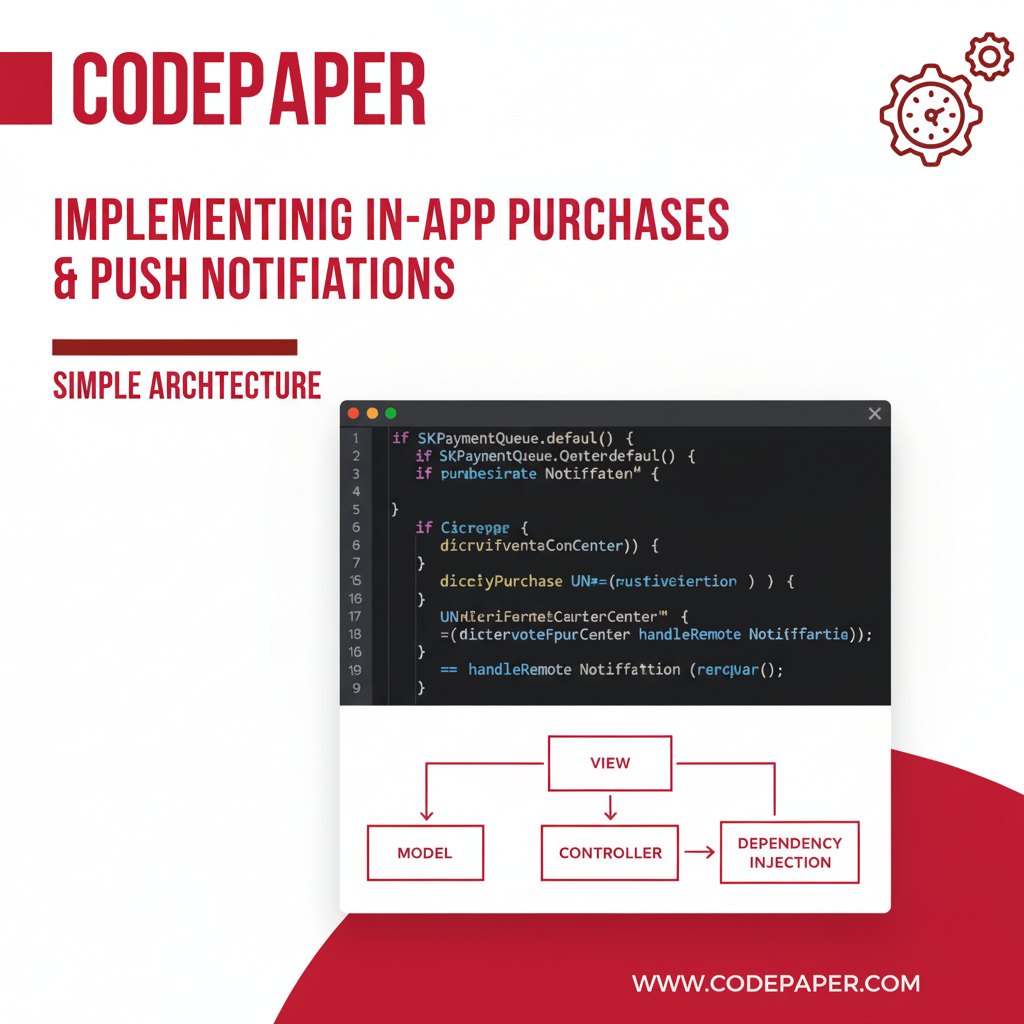
- Architectures matched to complexity: MVVM + Combine, Clean, or VIPER.
- Secure storage and keychain, robust error handling, and analytics hooks.
- Device lab coverage (iPhone, iPad, key iOS versions) and adaptive layouts.
4) Backend Services, Integrations, and DevOps
Great apps need reliable APIs. We design stable, secure backends and pipelines:
- GraphQL/REST APIs with rate limiting, retries, and telemetry.
- Authentication (OAuth 2.0, SSO), payments, and third‑party SDKs.
- Mobile CI/CD: automated builds, tests, code signing, and TestFlight.
- Observability: logs, metrics, tracing; real‑time crash alerts and diagnostics.
For deeper coverage on mobile delivery, see our custom software development services guide, which outlines how we shorten lead times without sacrificing quality.
5) QA, Security, and Performance
- Automated unit/UI tests, snapshot testing, and contract tests for APIs.
- Pen‑testing posture, secure coding checks, and secrets management.
- Performance profiling (energy, CPU, memory, cold start) and crash‑free goals.
- Accessibility checks and manual edge‑case exploration.
6) App Store Readiness and Launch
- App Store listing (title, subtitle, keywords), screenshots, and privacy labels.
- Beta testing with TestFlight; phased release and staged rollouts.
- Compliance confirmations (data use, location, health, subscriptions).
- Support playbook and backlog for post‑launch improvements.
Want to collaborate with a local mobile app development services team? We run in‑person or hybrid design sprints in Vaughan and downtown Toronto.
Why Choose a Custom Software Development Company in Canada for iOS?
As a custom software development company Canada teams trust, we bring cross‑industry experience (finance, manufacturing, fleet, franchise, solar) and delivery discipline to iOS work. That means faster feedback, clear documentation, and predictable outcomes—even when integrations and compliance add complexity.
Toronto startups and enterprises looking for mobile app development Toronto support often value proximity for workshops and stakeholder reviews. Explore our app development company in Toronto overview to see how we adapt to enterprise governance and startup speed.
For a broader view of our approach to bespoke builds, check out our bespoke software development playbook for Toronto teams.
Process: From Idea to Launch in 8 Steps
Below is a reference process we use for most iOS projects. Timelines flex with scope, compliance, and the number of integrations.
| Step | Owner | Key Deliverables | Typical Duration |
|---|---|---|---|
| 1. Discovery | Product + Tech | Brief, scope, success metrics, prototype plan | 1–3 weeks |
| 2. UX Research | Product + Design | Personas, journeys, JTBD insights | 1–2 weeks |
| 3. UI + Design System | Design | Wireframes, SwiftUI components, prototype | 2–4 weeks |
| 4. Architecture | Tech Lead | Repo, pipelines, app skeleton, API contracts | 1–2 weeks |
| 5. Development | iOS + Backend | Vertical slices, integrations, analytics | 8–16 weeks |
| 6. QA + Hardening | QA + Dev | Automated tests, performance, accessibility | 2–4 weeks |
| 7. Launch | Product + Dev | App Store assets, review, rollout plan | 1–2 weeks |
| 8. Operate + Improve | Product + DevOps | Backlog, analytics loops, release calendar | Continuous |
Architecting for Reliability, Speed, and Scale
Architecture decisions impact performance, maintainability, and total cost of ownership. For content‑heavy or field‑service apps, offline capability is essential. For an overview of offline patterns and trade‑offs, here’s a helpful industry guide on offline architectures that maps patterns to real‑world constraints.
We favor modular codebases (feature modules with clear boundaries), dependency injection, and an API contract‑first process. On the delivery side, a hardened mobile CI/CD pipeline with parallel testing trims days off release cycles. For larger programs, we complement app teams with a platform group that owns shared components, analytics governance, and release standards.
If you’re comparing enterprise practices, this enterprise mobile guide outlines decision points (build vs. buy, governance, and portfolio management) that echo our approach to multi‑app roadmaps.
Cost and Timeline Ranges for iOS App Development Services
Budgets and schedules depend on scope, integrations, compliance, and internal decision velocity. Here’s a directional view for planning purposes:
- Discovery + UX (3–6 weeks): Ideal for MVP scoping, prototypes, and research. Helps derisk build costs and timeline.
- MVP Build (12–18 weeks): Core features, analytics, and release to a controlled audience via TestFlight.
- Production v1.0 (16–24+ weeks): Integrations, performance work, and staged App Store rollout.
Example: A location‑aware marketplace with chat and subscriptions typically spans 16–22 weeks, assuming one payment provider, one identity provider, and a modest catalog. Adding offline sync, advanced search, or heavy compliance extends timelines.
For hybrid or cross‑platform considerations, walk through our delivery best practices to understand when native Swift/SwiftUI offers the best ROI versus React Native or Flutter.
Compliance, Privacy, and Security
We align mobile work with industry norms like OWASP Mobile and platform privacy rules. At minimum, we recommend:
- Least‑privilege permissions and transparent consent flows.
- Protected secrets, network pinning, and strong authentication.
- Threat modeling and dependency scanning in CI.
- Data retention policies, encryption at rest/in transit, and tamper checks.
For healthcare or finance, we extend controls to include audit trails, PII classification, and stricter incident response protocols, coordinated with your compliance team.
Local Collaboration Around Vaughan and Toronto
We regularly host workshops at our ON location (Unit 20 – 120 Woodstream Blvd). Teams often drive in from downtown Toronto via the 427/407, or from Mississauga via Highway 7. Hybrid sessions are also available to include remote stakeholders.
If you’re comparing options, our Toronto best app developer overview and app development company in Toronto page summarize our approach to governance, risk, and delivery at enterprise scale.
Mini Case: From Concept to Live in 18 Weeks
A multi‑location services brand needed an iOS app for bookings, loyalty, and field ops. We ran a 2‑week discovery, shipped a SwiftUI prototype in week 3, and established CI/CD by week 4. The MVP launched to TestFlight in week 12; v1.0 hit the App Store at week 18 with a 99.6% crash‑free rate in the first 30 days. A shared SwiftUI design system now supports two additional apps with minimal rework.
How We Reduce Risk
- Incremental delivery: Vertical slices demo value every sprint.
- Automated quality gates: Test coverage, static analysis, and performance budgets in CI.
- Architecture guardrails: Modular code, DI, and contract‑first APIs.
- Product telemetry: Events and KPIs tied to your business outcomes.
- Release discipline: Feature flags, staged rollouts, and rollback plans.
Frequently Asked Questions
How long does a typical iOS MVP take?
Most MVPs land in 12–18 weeks, depending on feature count, integrations, and decision speed. Expect 1–3 weeks for discovery, 2–4 weeks for design, and 8–12 weeks for development, testing, and release. Regulated domains or advanced offline capabilities can extend timelines.
What’s the cost range for iOS app development services?
Costs vary with scope and complexity. A lean MVP with basic auth, payments, and analytics is substantially different from a multi‑role, offline‑first platform with complex integrations. Our discovery phase produces a fixed‑scope proposal with a milestone plan so you can budget confidently.
Should I go native (Swift/SwiftUI) or cross‑platform?
Native Swift/SwiftUI typically wins for performance, platform‑specific UX, and long‑term maintainability—especially when iOS is your primary channel. Cross‑platform can be efficient for content‑driven apps with similar UX across iOS and Android or when team reuse is the priority.
How do you handle App Store reviews and rejections?
We prepare privacy labels, data‑use descriptions, and test accounts; we also run pre‑submission checks against Apple’s review guidelines. If a rejection occurs, we triage immediately, implement changes, and resubmit with clear notes to reviewers to minimize delays.
Can you integrate with legacy systems and enterprise SSO?
Yes. We regularly connect to legacy ERPs, CRM, and identity providers (e.g., OAuth 2.0/SSO). We use contract‑first APIs, sandbox environments, and data mapping workshops to reduce surprises during integration.
Key Takeaways
- iOS app development services are a full lifecycle: discovery, design, build, QA, launch, and iterate.
- Invest early in architecture, CI/CD, and a design system to scale faster later.
- Local workshops near Vaughan, ON speed alignment and decision‑making.
- Use staged rollouts and analytics to de‑risk launches and guide the roadmap.
Next step: If you’re in the Toronto area and want a fast, low‑risk path from concept to App Store, book a discovery session with our team.
