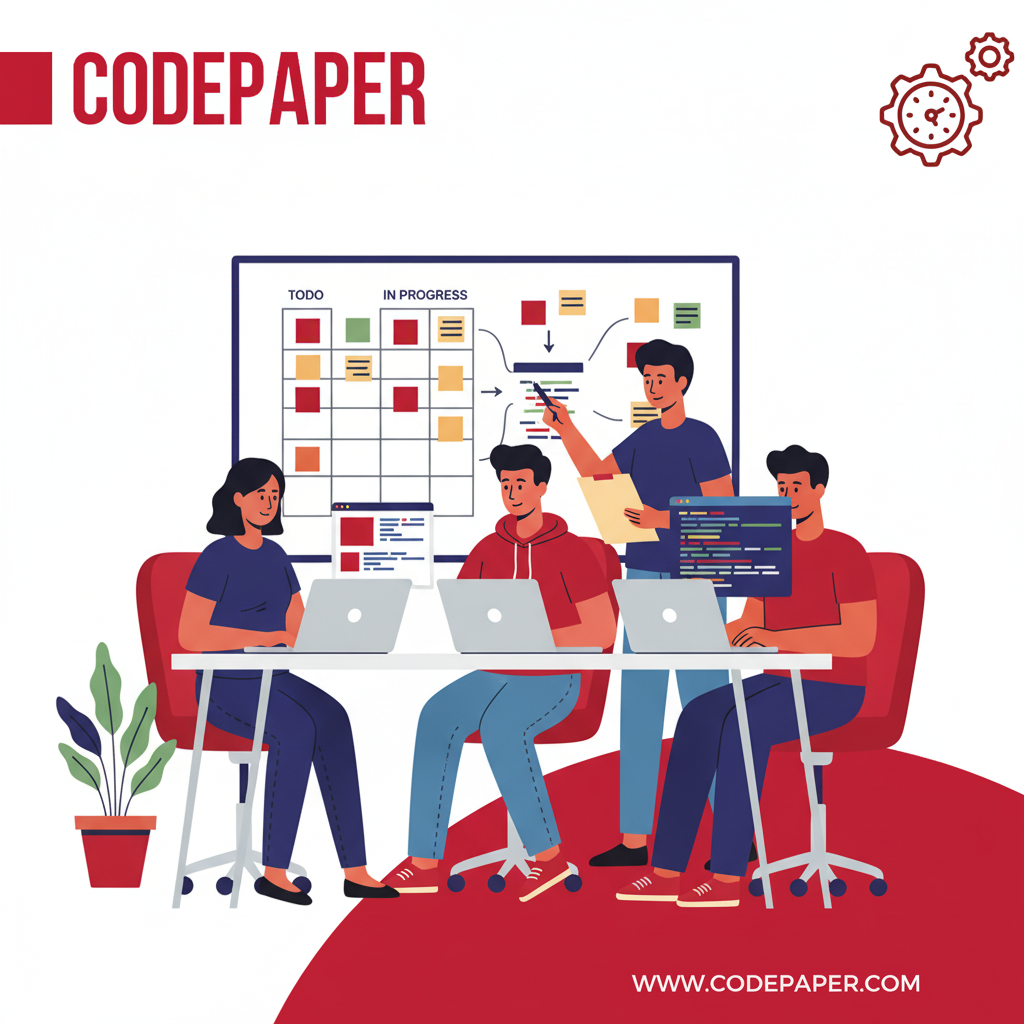
Choose a Web Application Development Agency in Toronto
Summary
Finding the right web application development agency determines how quickly you ship, how secure your platform stays, and how well your app scales. This long-form guide explains what to evaluate (team model, tech stack, security, costs, and risk controls), how agencies structure delivery, and when to choose a local Toronto/Vaughan partner. It’s written for digital leaders in finance, manufacturing, franchise operations, eCommerce, fleet management, solar energy, and fast-moving startups across Canada and the U.S.
Quick Answer
In ON at Unit 20 – 120 Woodstream Blvd (L4L 7Z1), a seasoned web application development agency like Codepaper can scope, design, and ship production-grade apps in weeks using modern stacks, managed delivery, and proven DevOps.
Codepaper Technologies Inc. is a custom software development company Canada teams trust for complex builds and rapid MVPs. From custom software development Toronto to AI automation consultancy, we deliver full-stack solutions supported by CI/CD, security best practices, and flexible resourcing. Use this playbook to select the right partner—whether your priority is conversion lift, operational efficiency, or regulatory confidence.
What a Web Application Development Agency Actually Delivers
A specialized partner designs, builds, deploys, and supports browser-based applications—from self-serve portals and B2B platforms to internal tools and high-scale marketplaces. Core services include product strategy, UX/UI, frontend and backend engineering, QA automation, cloud DevOps, data analytics, and ongoing optimization. For regulated sectors (finance and banking, healthcare-adjacent data, or public utilities), your agency should demonstrate secure SDLC discipline and audit readiness.
- Strategy and discovery: Requirements, user journeys, and KPI alignment.
- UX/UI and accessibility: Design systems, WCAG-aware patterns, and responsive flows.
- Engineering: API-first backends, modular frontends, integrations, and data pipelines.
- QA and release: Automated tests, staging environments, and blue/green or canary releases.
- Operations: Monitoring, alerting, SLOs, and performance tuning.
If you’re comparing options in the GTA, favor an agency experienced with Canadian privacy expectations, cross-border data residency decisions, and the realities of hybrid on-site/remote collaboration.
Why Toronto and Vaughan Teams Often Prefer a Local Partner
Time-zone alignment and on-site workshops accelerate decisions and reduce risk. A Toronto/Vaughan-based team can meet near Vaughan Metropolitan Centre, along Highway 7 and 27, or downtown via Union Station to quarterback discovery, align stakeholders, and de-risk integrations. Local context also helps when planning launch calendars around Canadian holidays, winter conditions, and enterprise change freezes.
If you need a full-stack partner from strategy to launch, see our custom development services for details on delivery models and case studies.
Technical Deep Dive: Stacks That Scale for the Long Term
There’s no one-size-fits-all stack, but most durable web apps share common patterns: a stable backend framework, a reactive component-based frontend, a cloud platform with strong observability, and automated pipelines.
- Backend frameworks: Laravel development services excel for API-first and transactional apps; Node.js works well for event-driven and real-time workloads; .NET and Java remain reliable in enterprise heavy-lift scenarios.
- Frontends: React and Vue dominate for maintainable component systems; Next.js/Nuxt bring server-side rendering and edge performance; design tokens and Storybook speed consistent UI delivery.
- Cloud/DevOps: AWS, Azure, or GCP with infrastructure-as-code, container orchestration, CI/CD, and baked-in observability. If you need expert help, our DevOps services Canada teams can guide assessments and implement pragmatic pipelines.
- Data and analytics: Modern ELT, semantic layers, and dashboards—our data analytics services Canada practice helps translate raw data into operations-friendly insights.
Key takeaway: Choose battle-tested technologies your team can support—not just the newest framework. Establish non-negotiables: reliability targets, performance budgets, and security baselines from day one.
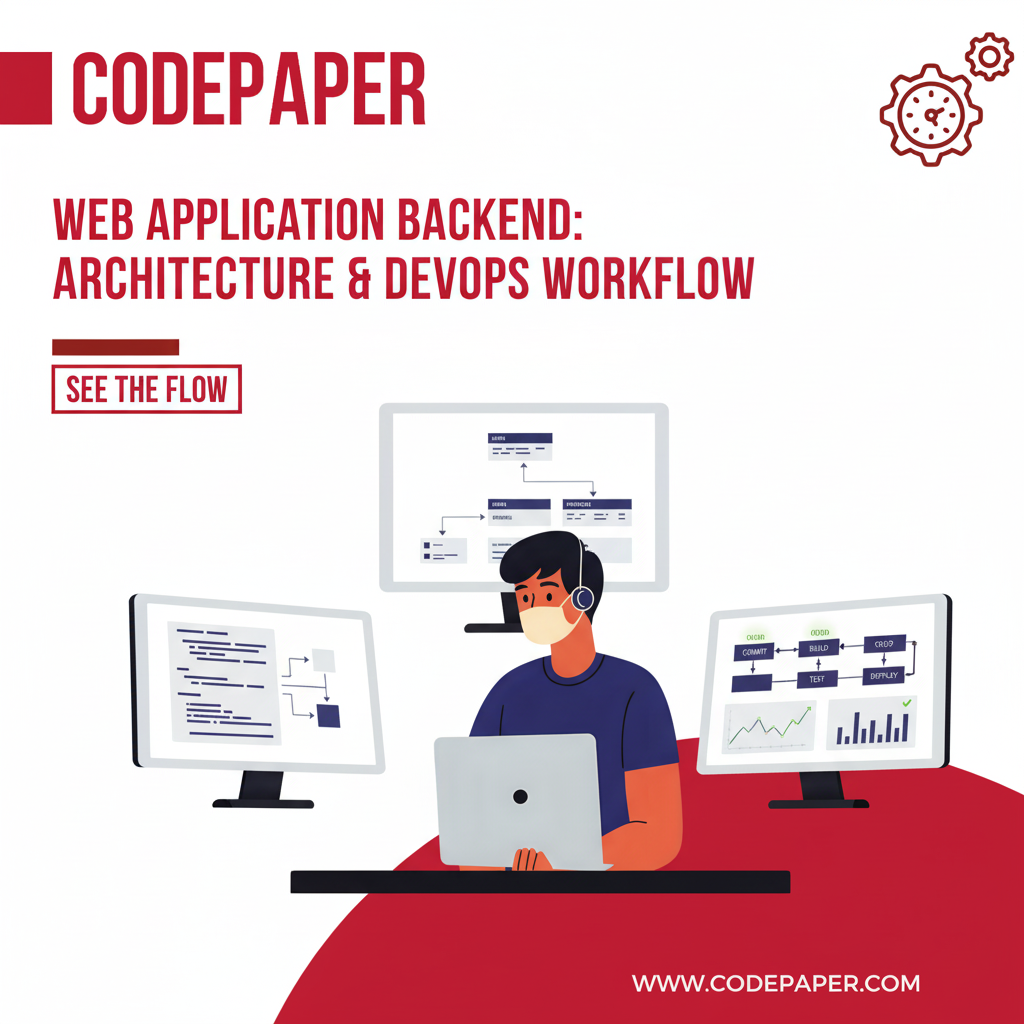
How to Evaluate a Web Application Development Agency
Use this structured checklist to shortlist candidates and run a fair evaluation. It balances technical depth with delivery maturity and business outcomes.
- Business outcomes first: Tie investment to metrics—conversion, NPS, activation speed, cost-to-serve, or manual-hours saved.
- Methodology and DevOps: Ask for CI/CD, trunk-based development, automated testing, and environment parity. For more context, see this web app development guide.
- Security posture: Look for secure coding practices, secrets management, SSO/OAuth/SAML, dependency scanning, and scheduled pen tests.
- Architecture approach: Favor API-first, modular boundaries, and clear integration strategies (webhooks, pub/sub, or event buses).
- Case studies and references: Cross-industry wins (fleet, finance, franchise) are a good signal of adaptability.
- Transparency: Expect clear scope, assumptions, and change control to avoid surprises.
For proof of delivery speed without quality tradeoffs, explore our top web development resource that outlines playbooks and metrics.
Team Models: Managed Delivery vs. Augmentation vs. Hybrid
Your resourcing model influences velocity, governance, and cost. Pick the right one for your context.
| Model | Best For | Pros | Trade-offs |
|---|---|---|---|
| Managed Delivery | MVPs, outcomes-driven builds | Single accountable owner, faster setup, predictable cadence | Less day-to-day control without a solid governance routine |
| Staff Augmentation | Scale-up internal team capacity | You direct work, ramp skills quickly (staff augmentation Canada) | Your processes must be mature to avoid bottlenecks |
| Hybrid Squad | Modernization and multi-stream programs | Speed plus knowledge transfer; shared ownership | Requires crisp RACI and sprint rituals |
From Brief to Launch: A Practical Process
High-performing teams follow a repeatable path that shortens feedback loops and preserves quality.
| Stage | Activities | Outputs |
|---|---|---|
| Discovery | Stakeholder interviews, tech review, data/privacy checks | Objectives, roadmap, prioritization, risk register |
| Design | Wireframes, design system tokens, accessibility plan | Clickable prototype, design spec, test plan |
| Build | API-first backend, component UI, integrations, automation | Working increments, test coverage, observability hooks |
| Release | Blue/green or canary, rollback, monitoring, runbooks | Stable production, dashboards, incident playbooks |
| Improve | A/B tests, performance budgets, backlog grooming | Conversion lift, latency targets, roadmap updates |
Local Collaboration and On-Site Workshops
When teams can meet in person, decisions move faster. At our Vaughan location near Highway 7 and 27, we frequently host discovery sprints for stakeholders across the GTA. For distributed squads, we maintain a robust demo cadence, decision logs, and asynchronous design reviews to keep momentum without overbooking calendars.
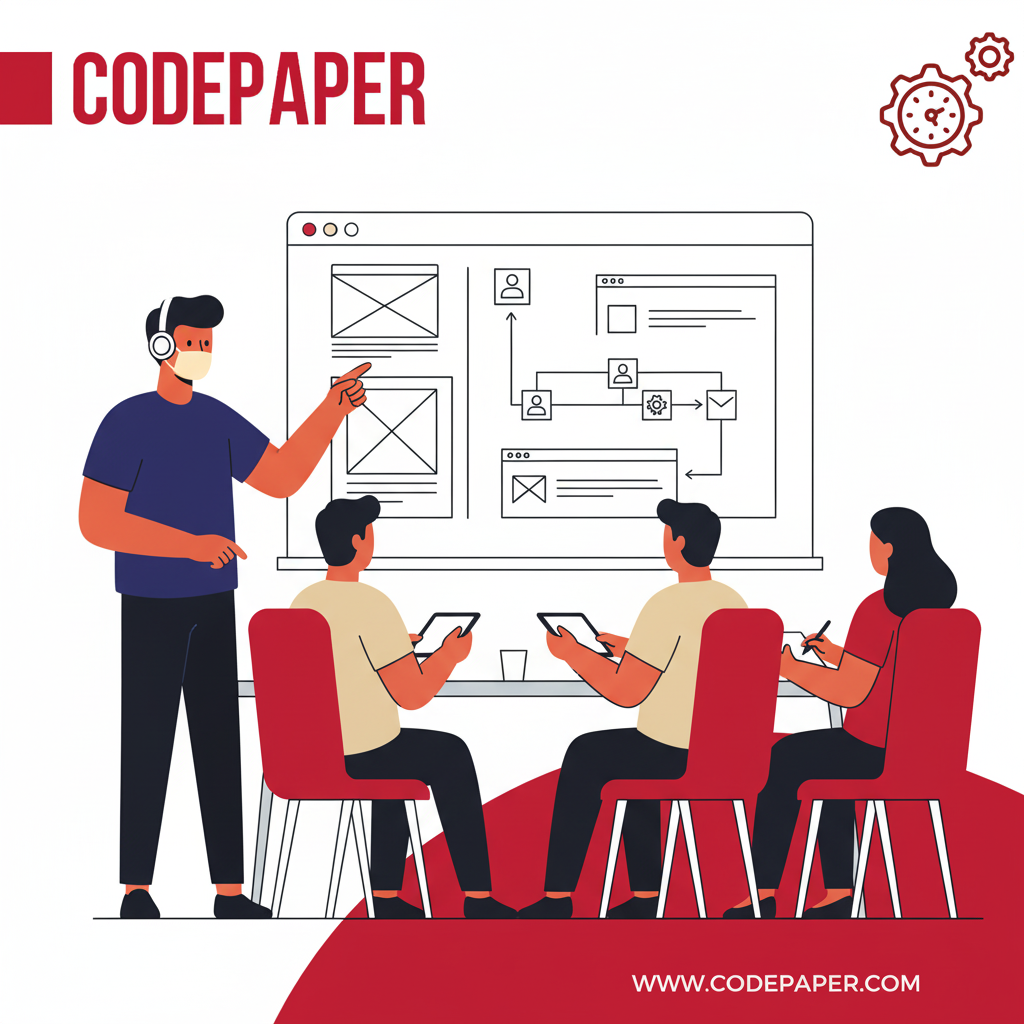
Planning a mobile-first initiative too? Explore our app development in Toronto overview to align web and mobile roadmaps.
Security, Compliance, and Data Residency
Security should be baked in, not bolted on. Your agency must practice secure coding, dependency scanning, secrets management, SSO/OAuth/SAML, and regular penetration testing. For Canadian enterprises, confirm PIPEDA-aware handling and document cloud region policies (e.g., Canadian regions for sensitive data, U.S. regions for edge workloads). Establish minimum acceptable baselines for encryption, backups, incident response, and audit trails—before coding starts.
Cost Ranges, Timelines, and What Drives Both
Every build is unique, but common ranges hold:
- MVPs: 8–14 weeks depending on scope, integrations, and compliance. A disciplined MVP proves value fast (MVP development Canada).
- Growth-stage platforms: Roadmapped in phases, shipping meaningful increments every 2–4 weeks.
- Enterprise modernization: Multi-quarter programs with parallel squads, feature flags, and strict SLAs (application modernization services).
Cost drivers include complexity, data sensitivity, integration surfaces, and the teaming model you choose. Expect transparent assumptions and change control from any credible partner.
Performance and Reliability: Non-Negotiables
Performance budgets, observability, and release discipline ensure your app stays fast and stable. We recommend defining SLOs early and instrumenting latency, error rates, and throughput. For a helpful reference, review this concise performance checklist as you plan your own guardrails.
Real-World Use Cases We See Most
- Fleet management software development: Real-time tracking, maintenance scheduling, and driver apps with offline resilience.
- Franchise management system development: Multi-unit content, pricing, and inventory coordination with role-based access.
- Manufacturing inventory software: Barcode/QR flows, MES integrations, and demand forecasting dashboards.
- Finance and banking software development: Secure onboarding, KYC flows, and audit-ready reporting.
- Solar energy platform development: Monitoring, ticketing, and installer networks with field servicing tools.
- eCommerce development Toronto: B2B catalogs, custom pricing, ERP integration, and self-service portals.
For a deeper dive into how we structure these programs, read our 2025 playbook for Toronto.
Risks and How to De-Risk Them
- Vague requirements: Run a short discovery sprint; prioritize outcomes over features.
- Brittle integrations: Prefer API-first; use contract testing and feature flags.
- Inconsistent QA: Adopt test automation and CI gates; track escaped defects.
- Scope creep: Govern via roadmap checkpoints and change control.
- Talent gaps: Fill specialty roles with targeted staff augmentation Canada.
Local Tips
- Tip 1: For on-site workshops near Unit 20 – 120 Woodstream Blvd, plan around Highway 7 and 27 traffic. Mid-morning slots avoid rush-hour congestion toward Highway 427 and Pearson Airport.
- Tip 2: Winter road conditions in Vaughan can extend travel times. Book stakeholder sessions between 10 a.m.–2 p.m. and keep remote options ready during snow advisories.
- Tip 3: For downtown Toronto meetings, align with GO/Union Station schedules to reduce delays and keep sessions focused on decision-making.
Signs You’ve Found the Right Agency
- They translate business goals into measurable KPIs and guardrails.
- They demonstrate CI/CD, environment parity, and secure SDLC patterns.
- They show relevant case studies across industries and scales.
- They propose a clear engagement model, RACI, and demo rhythm.
- They’re comfortable being accountable for outcomes—not just tickets.
Soft CTA: Get a Practical Assessment
Curious how your roadmap compares to best-in-class delivery? Request a discovery session to benchmark your stack, pipeline, and release practices against what we use for fast, reliable launches. If your scope leans mobile too, our top web development overview pairs nicely with our mobile playbooks.
FAQs
How much does it cost to hire a web application development agency?
It depends on complexity, integrations, compliance, and team model. MVPs often take 8–14 weeks with a lean squad; modernization or enterprise portals are phased across quarters with parallel squads. Expect transparent assumptions and change control from any credible partner.
Is an MVP necessary before a full platform build?
For new products, yes—ship a focused MVP to validate value, de-risk key assumptions, and gather real user data. Mature organizations modernizing legacy systems can often phase delivery without a classic MVP, but should still validate risky features early.
Which stack should we choose?
Map the stack to business goals and constraints. Laravel is excellent for API-first backends; Node.js for event-driven workloads; React/Vue for maintainable frontends; and a major cloud for reliability. Non-negotiables include CI/CD, observability, and security baselines.
What’s the best engagement model?
Managed delivery accelerates MVPs with clear accountability. Staff augmentation adds capacity under your leadership. Hybrid squads balance speed with knowledge transfer. The right choice reflects your internal maturity and timeline.
Do you handle mobile as well as web?
Yes. Many programs pair web portals with iOS/Android apps. We plan cross-platform app development and coordinate releases so end users experience a coherent journey.
Key Takeaways
- Pick a web application development agency that aligns tech choices to measurable outcomes.
- Favor API-first architecture, CI/CD, and a clear release strategy.
- Use discovery sprints, strong QA, and change control to de-risk delivery.
- Leverage local collaboration in Toronto/Vaughan to speed decisions.
Final CTA: Meet in Vaughan or Toronto
If you’re ready to move from plans to production, book a discovery session in ON at Unit 20 – 120 Woodstream Blvd or schedule a virtual walk-through. Whether you need a fresh MVP, enterprise modernization, or enterprise software development support, we’ll tailor a plan that balances speed, security, and scale.
